EFB Dryer
For EFB drying, there are two types of equipment designs: drum dryers and belt dryers. They can dry EFB material produced at various stages of processing, as well as other palm byproducts. We offer customized drying systems that are commonly used in palm oil mills, palm plantations, and biomass fuel manufacturing plants.
- Drying Results: Adjustable
- Capacity: 0.5-30 T/H
EFB dryer Operation
The videos show the trial operation of EFB drying machines. Drum dryers are commonly used in EFB pellet production projects because they offer high throughput and continuous drying in multiple batches. Mesh belt dryer, on the other hand, are designed to better preserve the integrity of palm fibers and are suitable for drying long-fiber materials or high-value fiber products.
EFB dryer machine Specifications
The following outlines the basic models and parameter configurations for two types of EFB fiber dryers. In actual projects, other parameters can be customized according to customer needs. Both models can accommodate a wide range of EFB moisture levels and allow for flexible adjustment of drying standards. For pelletizing projects, the production capacity of your EFB dryer should exceed the target pellet production capacity to ensure stable production.
EFB belt dryer Specifications
| Model | φ0.6*6 | φ0.8*8 | φ1.2*12 | φ1.5*15 | φ1.8*18 | φ1.8*20 | φ1.8*36 | φ1.8*12*3C | φ1.8*24*3C |
| Diameter (m) | 0.6 | 0.8 | 1.2 | 1.5 | 1.8 | 1.8 | 1.8 | 1.8 | 1.8 |
| Length (m) | 6 | 8 | 12 | 15 | 18 | 20 | 36 | 12 | 24 |
| Number of Layers | 1 | 1 | 1 | 1 | 1 | 1 | 1 | 3 | 3 |
| Drum Rotation Speed (rpm) | 3~12 | 3~12 | 3~12 | 3~12 | 3~12 | 3~12 | 3~12 | 3~12 | 3~12 |
| Inlet Air Temperature (°C) | 400~500 | 400~500 | 400~500 | 400~500 | 400~500 | 400~500 | 400~500 | 400~500 | 400~500 |
| Outlet Air Temperature (°C) | 70~80 | 70~80 | 70~80 | 70~80 | 70~80 | 70~80 | 70~80 | 70~80 | 70~80 |
EFB rotary dryer Specifications
| Model | WDHG150-4/2 | WDHG200-4/2 | WDHG200/4-4 | WDHG220/6-4 | DHG-400 | DHG-500 | DHG-1000 | DHG-2000 | QHG-500 | QHG-1000 | QHG-2000 |
| Power (kW) | 44.3 | 49.8 | 61.65 | 71.8 | 40+0.55*4+0.55 | 50+2.2*2+0.75 | 70+2.2*3+1.5 | 132+2.2*3+1.5 | 2.2*2+0.75 | 2.2*3+1.5 | 2.2*3+1.5 |
| Number of Belt Layers | 2 | 2 | 4 | 4 | 5 | 5 | 5 | 5 | 5 | 5 | 5 |
| Belt Width (m) | 1.5 | 2 | 2 | 2.2 | 0.8 | 1 | 1.2 | 1.6 | 1 | 1.2 | 1.6 |
| Drying Area (㎡) | 30 | 40 | 80 | 124 | 13 | 21 | 43 | 58 | 21 | 43 | 58 |

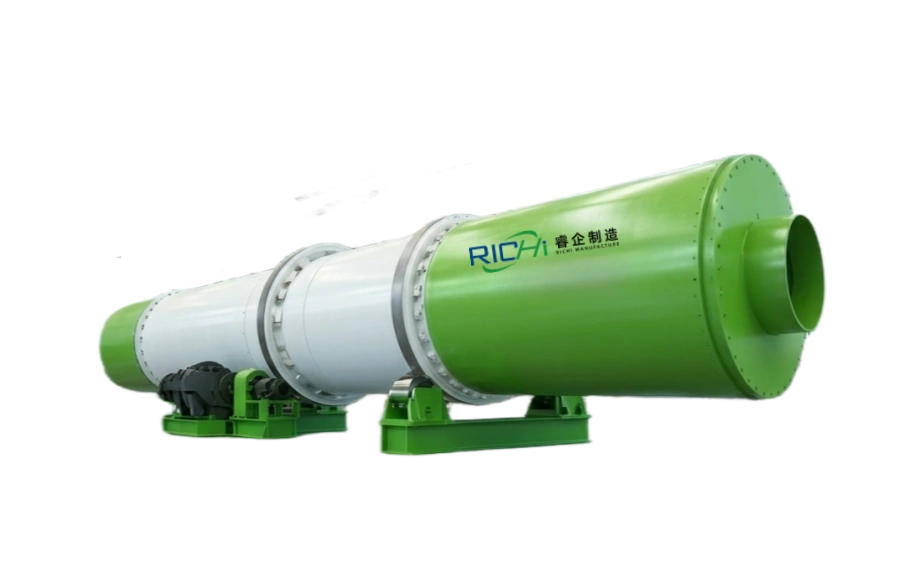
The EFB belt dryer uses steam or electric heating; the material is spread evenly on a woven mesh belt, ensuring gentle and uniform drying. The EFB rotary drum dryer uses a rotating drum to lift the material, resulting in more efficient and thorough drying. It is typically used in conjunction with a hot-air furnace and a burner.
Structural Differences Between EFB Dryers
The two palm fiber dryers differ in their structural design and drying methods. However, both are equipped with temperature monitoring, overheating protection, and safety detection devices to ensure safe and efficient production. They feature simple operation and easy maintenance. All equipment quotes are ex-factory prices and do not include intermediary fees.
Support Rollers
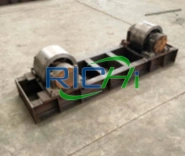
Support Rollers
The drum dryer utilizes simple and efficient drying technology. The rotating drum moves the material inside, ensuring thorough contact with hot air for drying. The rollers are made of sturdy cast steel and offers exceptional wear resistance. They provide stable support for the drum’s operation, ensuring safe and efficient performance.
Roller Ring
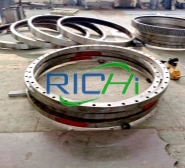
Roller Ring
These roller rings are mounted on the outer side of the drum and also serve a supporting function. Each EFB dryer machine is typically equipped with 4 sets of roller rings. They are made of cast steel and can be up to 15 mm thick. As a result, they offer higher hardness and wear resistance. They not only ensure the stable operation of the drum but also guarantee production safety.
Drying Drum
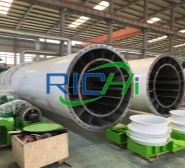
Drying Drum
This is the main unit of the EFB drum dryer, available in single-layer and three-layer designs. Typically, multiple sets of material-lifting plates are installed on the inner surface. Its rotation is controlled by a variable-frequency motor, with a speed range of 3–12 rpm that can be adjusted as needed. The drum shell is 8 mm thick and is designed to withstand both high temperatures and wear and tear.
Material-Lifting Plates
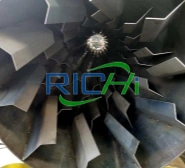
Material-Lifting Plates
These plates are mounted on the inner wall of the drum in a spiral pattern. They are installed on both the inner and outer sides of the three-layer drum. Each plate is 6 mm thick. They ensure thorough contact between the material and the hot air, thereby enabling more efficient drying. These plates are also made of wear-resistant material and are easy to remove and replace.
Fan
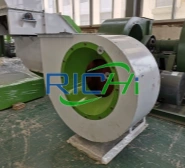
Fan
This unit is installed downstream of the EFB drying equipment and assists in the drying process and rapid material discharge. It uses airflow to lift or discharge the material. Each fan is equipped with a filter to prevent material and dust from escaping. Fans used with three-layer drum dryers are typically larger in size.
Hot Air Furnace
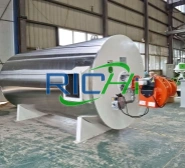
Hot Air Furnace
This unit provides a source of hot air for the dryer. It features a simple design and is typically constructed from firebricks and rebar. You can choose to build your own hot-air furnace to reduce investment costs. We also offer compatible burners that can use biomass such as waste wood and straw as fuel.
Chamber
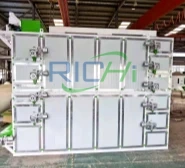
Chamber
The entire drying chamber is made of food-grade 304 stainless steel, which is more resistant to high temperatures and less prone to wear and tear. The structure of the drying chamber can be adjusted according to the number of mesh belt layers, typically consisting of 1 to 2 layers. Compared to drum dryers, it is more space-efficient.
Feed Hopper
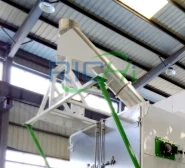
Feed Hopper
The feed inlet is located at the top of the dryer. It features an extended design and is equipped with a dedicated motor. This facilitates seamless integration with preceding and subsequent production stages, thereby improving production efficiency. Typically, the temperature at the feed inlet is higher than at the discharge outlet. This helps further ensure product quality.
Mesh Belt
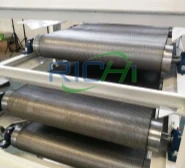
Mesh Belt
All EFB belt dryers are equipped with imported PET woven mesh belts. These belts offer high conveying and ventilation efficiency, increasing drying efficiency by 25%. The multi-layer mesh belt design effectively increases the drying surface area while preventing material buildup and clumping, ensuring consistent drying quality.
Circulation Fan
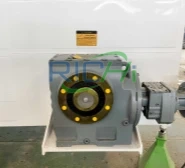
Circulation Fan
This device provides the power for internal hot air circulation. By increasing the airflow volume, it enhances the penetration of hot air into the material, thereby ensuring drying speed and quality. Each unit is equipped with a circulation fan, which helps improve production efficiency.
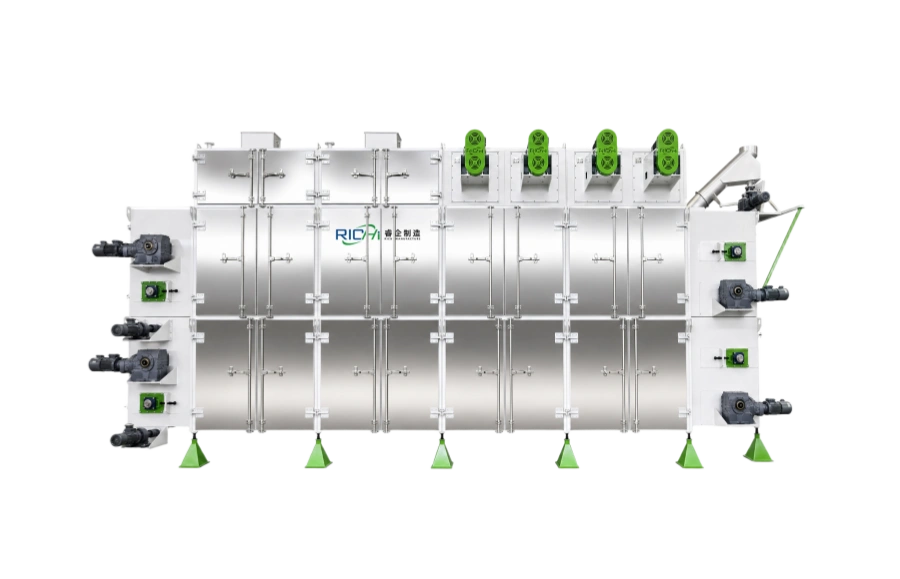
EFB Dryer machine Applications
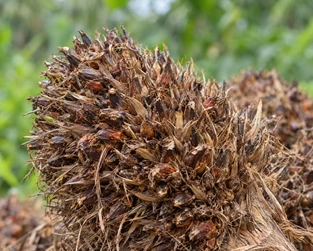
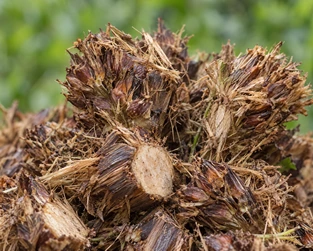
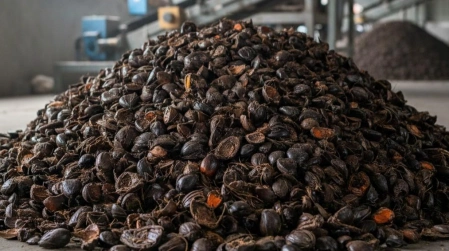
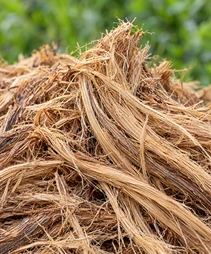
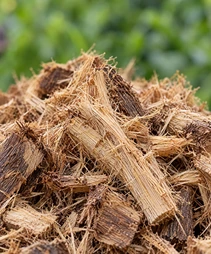
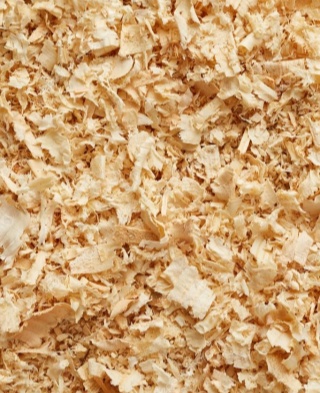
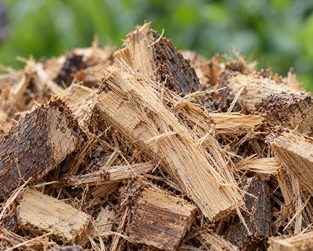
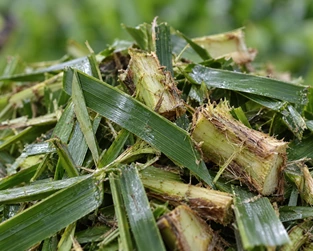
The palm fiber dryer can be used to dry fresh empty fruit bunches, crushed empty fruit bunches, dehydrated palm fiber, and fiber materials of various lengths. Some large-sized materials require preliminary crushing before being fed into the dryer. We offer trial operation services to help you evaluate the dryer’s performance when processing your specific raw materials. Please feel free to provide details about your raw materials.
Global Cases
We provide efficient EFB drying solutions to customers worldwide. These projects have been implemented in Malaysia, Indonesia, Thailand, Colombia, and other regions, offering customized production services. They include biomass pellet projects, EFB briquette projects, and more. Please feel free to contact us to learn more about our EFB drying solutions.

3-4 T/H EFB Dryer for Sale in Malaysia
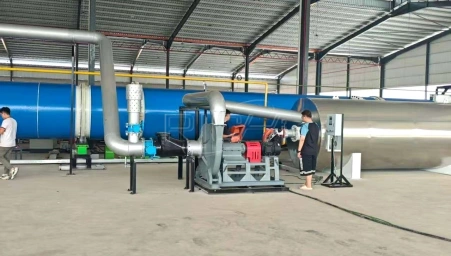
This drying system serves EFB carbonized pellet production, comprising an EFB fiber rotary dryer, a hot air furnace, a biomass burner, and other components. Additional main equipment includes PKS crushing and screening system, EFB pellet machine, pellet cooler, and baling scale. The final product is high-quality industrial fuel with a diameter of 6–8 mm.

1.5–2 T/H empty fruit bunch dryer for Sale in Indonesia
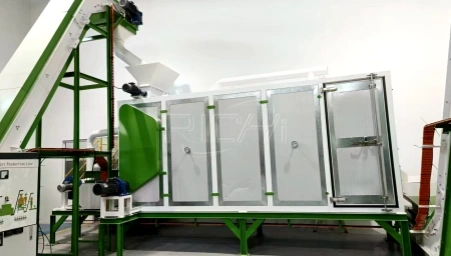
The customer requires processing the procured EFB fiber into fiber bedding. The moisture content of EFB is approximately 50%–60%. To preserve fiber length, the customer selected this EFB fiber belt dryer. Equipped with a hot air circulation system, discharge conveyor, and other components, it is adaptable to different batches of material.

2–3 T/H EFB dryer machine for Sale in Thailand
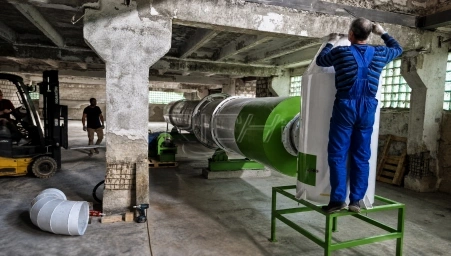
This client operates a biomass pellet plant and requires a production system for 8 mm diameter EFB pellets. The raw material consists of fresh empty fruit bunches, which require crushing and drying. The client also uses this drying system to process other biomass raw materials, thereby improving equipment utilization and reducing the need for duplicate investments.
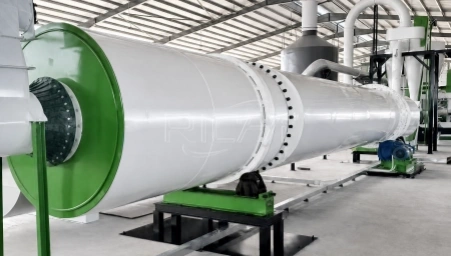

0.5–1.0 T/H EFB fiber dryer for Sale in Nigeria
This is an EFB drying solution for a small-scale palm oil mill, designed for drying EFB fibers with high moisture content. The raw material undergoes preliminary sun-drying, which helps reduce the dryer’s operating costs. The customer can flexibly control the drying duration to meet the pretreatment requirements of different materials prior to briquetting.
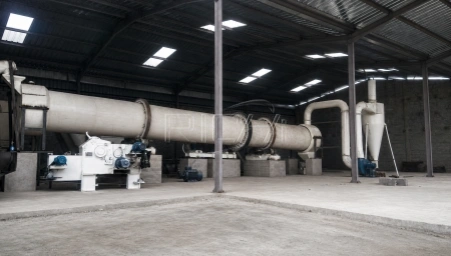

1–1.5 T/H EFB drying machine for Sale in Ghana
The customer is a palm oil mill that needs to produce fuel pellets from stockpiled EFB fibers. Due to the raw material’s unstable moisture content and impurities, this project includes a system for screening, crushing, and drying the raw material. The system can adapt to different batches of EFB feedstock and offers flexible processing capabilities.
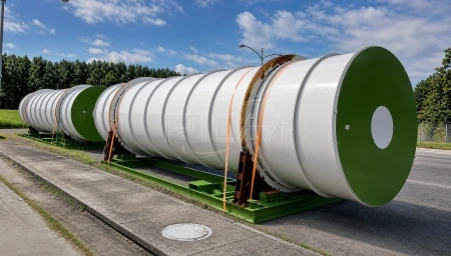

8–10 T/H palm fiber dryer for Sale in Colombia
We provided an EFB crushing and drying solution for an agricultural by-product processing plant. The moisture content of the crushed material is approximately 55%. After processing, the moisture content is reduced to 10%–15%, making it suitable for co-firing as fuel in cement and brick plants, or for briquetting into biomass fuel.

Service Programs
Personalized Services
As leading EFB dryer manufacturers, we provide efficient drying solutions to customers worldwide. These solutions serve a variety of industries, including farms, feed production, and pellet plant project. RICHI’s engineers draw on their extensive project experience to provide you with the ideal drying solution.

Fast Shipping
We have set up a dedicated shipping system. Each EFB drying machine is shipped directly from the factory, which significantly reduces transit time.

Installation Guidance
Each shipment includes a specialized user manual and video tutorials, which help you quickly master the equipment.

Free Consultation
We offer free equipment consultation. Tell us your target production capacity and actual drying requirements, for tailored solutions and quotations.

Long-Term Warranty
Each palm fiber dryer for sale comes with a one-year warranty, ensuring prompt and effective resolution for any quality issues.

Customized Solutions
For specialized materials and sizing needs, we deliver bespoke equipment customization to ensure optimal production outcomes.

Spare Parts Supply
We have established a global spare parts network system. Leveraging a national warehouse system, it enables rapid component delivery to minimize downtime risks.
Frequently Asked Questions
Below are detailed answers regarding the EFB dryer machine’s raw material compatibility, drying standards, maintenance costs, and capacity selection. If you would like to receive an accurate quote for this equipment, please feel free to provide details about your raw materials, production capacity goals, and project scale.
Can fresh EFB be dried directly?
+
Fresh empty fruit bunches have high moisture content and are large in size, so they generally require pretreatment before drying. These materials are typically pre-shredded to ensure uniform drying results. If the moisture content of your empty fruit bunches exceeds 60%, you may consider using a press to remove moisture, which will reduce the dryer’s energy consumption and improve drying efficiency.
What is the hourly production capacity of the EFB dryer?
+
Our equipment can meet production capacity requirements ranging from 0.5 to 30 T/H. Actual capacity may vary depending on the raw material’s initial moisture content, size, and drying standards. Please provide detailed information about your raw materials so we can recommend the most suitable model.
What drying standards can the palm fiber dryer achieve?
+
This equipment can meet any drying standard. You can flexibly adjust the drying duration and temperature based on your application needs to achieve different drying results. For EFB pellet production projects, the ideal material moisture content is 15%–18%. This moisture level ensures optimal pelletizing results.
How do I decide whether to choose an EFB belt dryer or a drum dryer?
+
You can make your selection based on your product requirements. If you wish to preserve the fiber structure of the material and minimize breakage, we recommend choosing a belt dryer. For example, in the production of fiber bedding. It offers a gentler drying process, allows for zone-specific temperature control, and ensures uniform drying.
If your raw material is suitable for tumbling drying and you require high unit production capacity, we recommend a drum dryer. It is particularly well-suited for biomass fuel, EFB pelletizing projects, or other large-scale production projects.
What heat sources can be used with EFB drying machines?
+
The two types of dryers use different heat sources. EFB drum dryers are typically equipped with burners and hot-air furnaces to provide a source of hot air. We recommend biomass burners, which are more environmentally friendly and energy-efficient, thereby reducing production costs. Depending on your budget, you may opt to build your own hot-air furnace.
Belt dryers can be heated either electrically or with steam. You can make your selection by evaluating heat source costs and actual operational requirements.
How much does an EFB dryer cost?
+
The two dryer types have different price ranges. The price range for EFB drum dryers is $15,000–$110,000. EFB belt dryers range from $60,000 to $218,000. These prices are not fixed and may vary depending on factors such as equipment configuration, customization level, and production scale. You can provide your detailed production requirements at any time to receive an accurate quote.
What auxiliary equipment is required for an empty fruit bunch dryer?
+
You can decide based on the condition of your raw materials and your product requirements. For materials in their original size or larger pieces, you may want to include a crushing unit. Crushed materials dry faster and more evenly. For fuel production projects, you’ll also need to install equipment such as a pelletizer or briquette press after the drying stage. We can provide customized equipment or a complete production solution based on your specific production needs.