干し草乾燥機
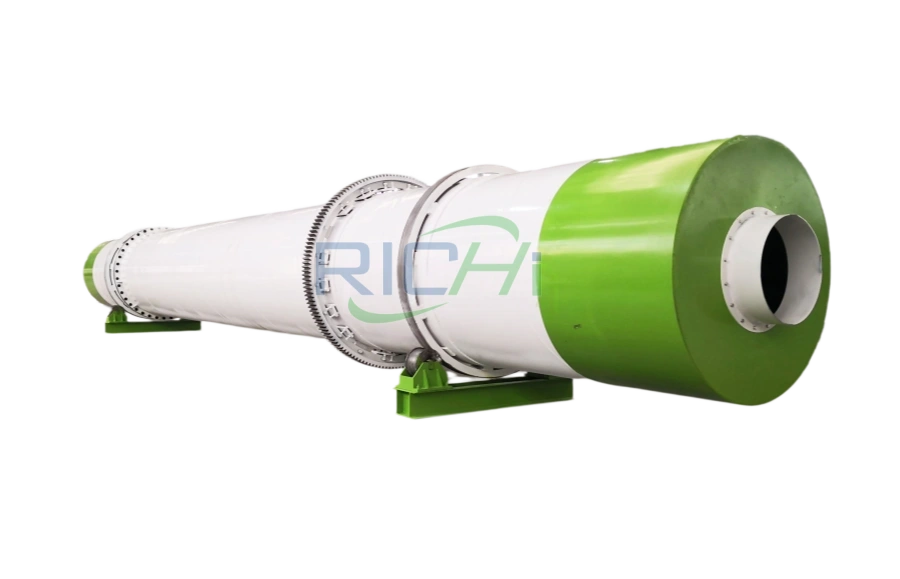
この干し草乾燥機は、産業用乾燥装置です。さまざまな種類の飼料用作物やわらを迅速かつ均一に乾燥させることができるため、飼料加工やペレット化用途に適しています。本装置は、ベールに圧縮されていない、あるいは細断された原料向けに設計されています。高品質な飼料加工のため、ベルト式乾燥機もご用意しています。 また、お客様のご要望に合わせたオーダーメイドの乾燥機や、乾燥システム一式もご提供可能です。.
- 乾燥基準:15~20%未満
- 生産能力:0.5~30 T/H
干し草乾燥機の操作
上記の動画では、2種類の干し草乾燥機の実際の稼働状況を紹介しています。ドラム式乾燥機は処理能力と乾燥効率に優れており、工業的な加工や干し草ペレットの製造において最も一般的に使用されている設備です。 ベルト式干し草乾燥機は、原料の形や栄養素を損なわない穏やかな乾燥方法を採用しています。主に高級干し草飼料の製造に使用されています。このページでは主にドラム式乾燥機について解説します。ベルト式乾燥機について詳しく知りたい場合は、下のボタンをクリックしてください。.
干し草乾燥機の機種選定
当社は、より幅広い生産規模に対応できるよう、以下のロータリードラム式干し草乾燥機モデルをご用意しています。3層ドラム構造を採用することで、省スペース化を図っています。RICHIの技術が進歩するにつれ、さらなる構成オプションも提供していく予定です。また、お客様の要件に合わせて、最終的な機器仕様を調整することも可能です。.
| モデル | φ0.6×6 | φ0.8×8 | φ1.2×12 | φ1.5×15 | φ1.8×18 | φ1.8×20 | φ1.8×36 | φ1.8×12×3C | φ1.8×24×3C |
| 直径(m) | 0.6 | 0.8 | 1.2 | 1.5 | 1.8 | 1.8 | 1.8 | 1.8 | 1.8 |
| 長さ(m) | 6 | 8 | 12 | 15 | 18 | 20 | 36 | 12 | 24 |
| レイヤー数 | 1 | 1 | 1 | 1 | 1 | 1 | 1 | 3 | 3 |
| ドラム回転数(rpm) | 3~12 | ||||||||
| 入口温度(℃) | 400~500 | ||||||||
| 出口温度(℃) | 70~80 | ||||||||

処理能力のオプションに加え、この干し草乾燥機には熱風炉とバーナーを装備することも可能です。これらの部品は、乾燥機の熱源となります。また、お客様ご自身で熱風炉を製作することも可能です。バイオマスバーナーは廃棄物を燃料として燃焼できるため、エネルギー効率に優れ、環境に優しい仕様となっています。.
干し草乾燥システムの構造設計
この干し草乾燥機は、科学的に設計された構造を採用しており、乾燥工程を簡便かつ効率的に行えます。インバーター駆動装置を搭載しているため、水分含有量の異なる原料にも対応し、それに応じて乾燥時間を調整することが可能です。また、任意の乾燥基準を選択することもできます。高い処理能力と長い耐用年数を誇り、長期にわたり一貫した安定した性能を発揮します。.
サポートローラー
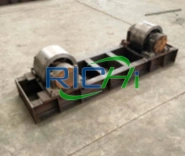
サポートローラー
この乾燥機はローラー機構で動作するため、支持ローラーを取り付ける必要があります。このブラケットは頑丈な鋳鋼製で、耐摩耗性に優れています。安定した支持力を提供し、乾燥機の円滑な動作を保証します。.
ローラーリング
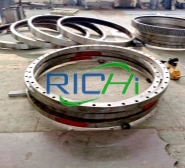
ローラーリング
これらのローラーはドラムを支える役割も果たしており、通常は4セットで配置されています。鋳鋼製で、厚さは最大15 mmに達します。そのため、高い硬度と耐摩耗性を備えています。これらはドラムの安定した稼働を確保するだけでなく、生産の安全性も保証します。.
乾燥ドラム
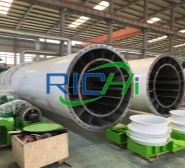
乾燥ドラム
この乾燥機のドラムには、単層型と3層型の2種類があります。回転は可変周波数モーターによって制御され、回転速度の範囲は3~12 rpmです。これにより、材料の含水率に応じて回転速度を調整することができます。ドラム外殻の厚さは8 mmで、高温に耐え、摩耗に強い設計となっています。.
材料用リフティングプレート
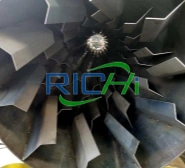
材料用リフティングプレート
これらのプレートは、ドラムの内壁にらせん状に取り付けられています。これらは、3層構造のドラムの内側と外側の両方に設置されています。 各プレートの厚さは6 mmです。これらは、原料と熱風との接触を確実にすることで、より効率的な乾燥を可能にします。また、これらのプレートは耐摩耗性のある素材で作られており、取り外しや交換も容易です。.
ファン
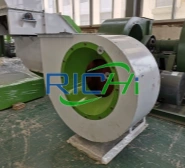
ファン
この装置は、干し草乾燥機の背後に設置されています。乾燥機へ気流を供給し、それによって原料を持ち上げたり排出したりします。各ファンには、原料や粉塵が漏れ出さないようフィルターが装備されています。3層ドラム乾燥機に使用されるファンは、より大型のものとなっています。.
熱風炉
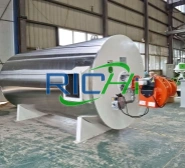
熱風炉
この装置は、乾燥機用の熱風源となります。シンプルな構造が特徴で、通常は耐火レンガと鉄筋で造られています。初期投資コストを抑えるために、ご自身で熱風炉を製作することも可能です。また、廃木材やわらなどのバイオマスを燃料として使用できる、本装置に対応したバーナーもご用意しています。.
どのような原材料を加工できますか?
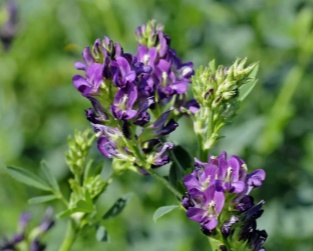
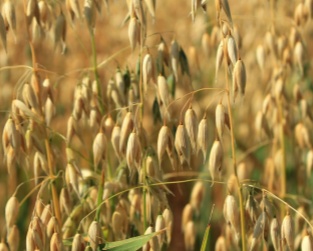
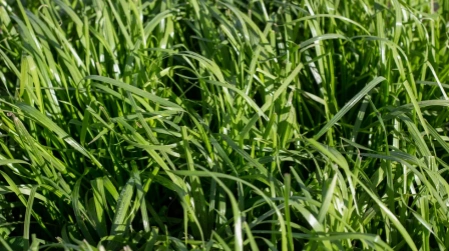
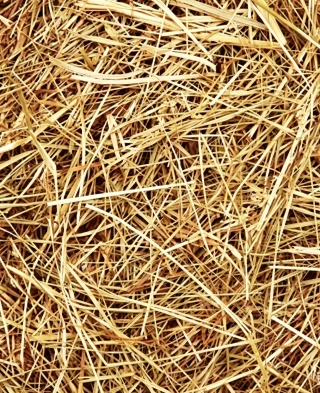
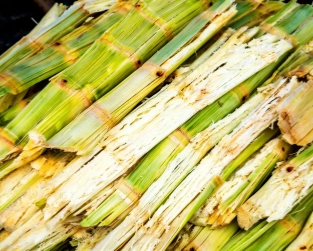
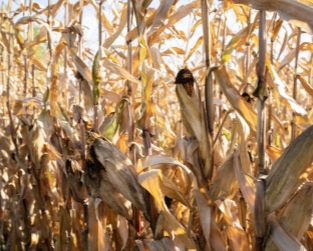
この産業用干し草乾燥機は、新鮮な草、干し草、作物のわら、サトウキビのバガスなど、水分含有量が異なる高繊維質の原料を処理することができます。これらの原料は、乾燥機に入れる前に、予備的な破砕またはベールの解体を行う必要があります。 ペレット化を行う場合は、原料の含水率を15~18%まで乾燥させることを推奨します。この含水率がペレット化に最適です。.

世界各国の干し草乾燥機の導入事例
当社は、世界中のお客様に干し草乾燥ソリューションを提供しています。当社の設備は、米国、ブラジル、アルゼンチン、オーストラリア、ウズベキスタンをはじめ、その他多くの国や地域に輸出されています。当社の製品ラインナップには、独立型乾燥システムや 草ペレット製造ラインs. お客様の具体的なニーズに合わせた機器ソリューションをご提供いたします。.
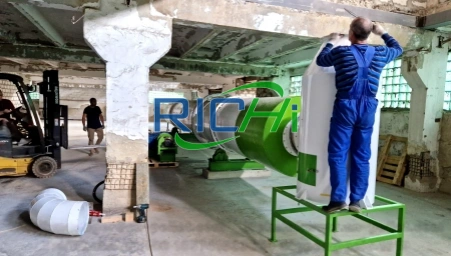

3~4 T/Hの草 アルゼンチンで販売中の干し草乾燥機
これは牧草用飼料ラインのプロジェクトです。当社は、飼料用チョッパー、ドラム乾燥機などを含むペレット製造設備一式を納入しました。, 干し草ペレット製造機, 、など。この乾燥機は、切断工程とペレット化工程の間に設置されており、切断されたアルファルファを15%の含水率まで乾燥させ、ペレット化の成果を最適化します。.
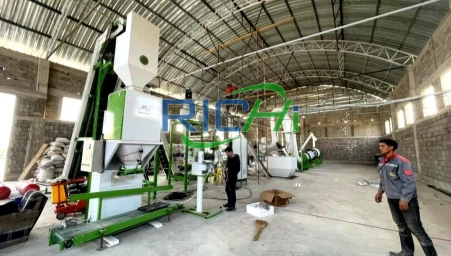

ウズベキスタンで販売中の1~2 T/H ばら干し干し草乾燥機
この顧客は、反芻動物用の飼料を生産する必要があります。原料は、50–80%の飼料用作物とその他の穀物を混合したものです。この乾燥機は、設置面積が小さいコンパクトなモデルです。顧客は、低コストかつ高効率な生産という要件を満たすため、独自に熱風炉を製作することを選択しました。.
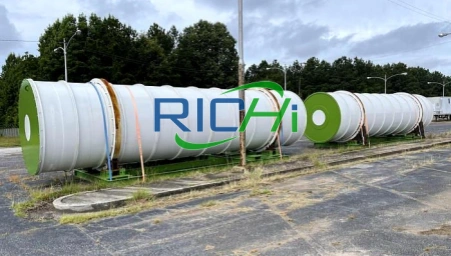

米国で販売中の10 T/H 干し草乾燥機
これは、草ペレット製造プラント向けのターンキーソリューションです。乾燥セクションには、3層ドラム乾燥機が2台設置されています。これらは設置スペースを節約できるだけでなく、生産能力を2倍に高め、高効率な乾燥を実現します。また、当社は以下も納入しました。 販売中のアルファルファペレット製造機 このペレット工場。.
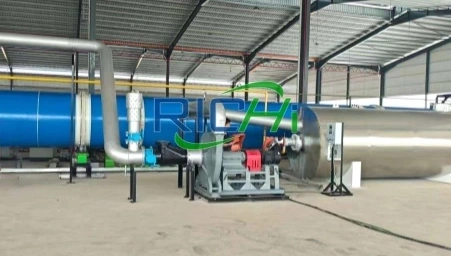

ブラジルで販売中の5~6 T/H 飼料乾燥機
この顧客は、牛や羊の飼料を生産するために、飼料用作物の乾草やサトウキビバガス乾燥する必要がありました。当社は、ドラム乾燥機、熱風炉、およびバイオマスバーナーを納入しました。このソリューションは、飼料および燃料の生産プロジェクトの両方を支援し、顧客が資源を活用して生産コストを削減できるよう支援しています。.
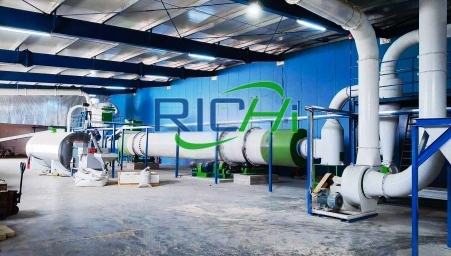

オーストラリアで販売中の2~3 T/H 干し草乾燥機
この地域は気候が暑いため、季節的な干し草の不足が頻繁に発生します。この機器は、ある牧場が新鮮な干し草の保管に関する課題を解決するのに役立ちました。また、当社は飼料用粉砕機も提供しました。処理後の干し草の含水率は12~15%であり、これにより保存期間が大幅に延長され、飼料コストの削減につながっています。.
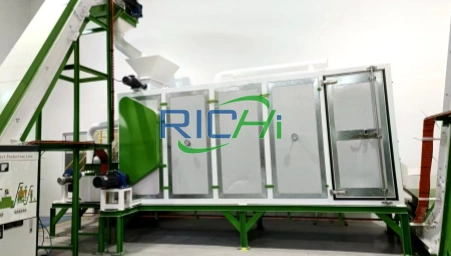

タイで販売中の2~3 T/H 干し草乾燥機
このプロジェクトでは、牛や羊の飼料としてスイートエレファントグラスを乾燥させる作業が行われました。スイートエレファントグラスの栄養成分を損なわないよう、ベルト式干し草乾燥機が導入されました。乾燥後の飼料は本来の形状を保っており、優れた食感と栄養価を備えているため、そのまま飼料として使用することができます。.
干し草乾燥機の用途
この乾燥機は、飼料加工工場、畜産農場、牧草ペレット工場など、さまざまな乾燥シーンでご利用いただけます。原料の特性やお客様の乾燥ニーズに合わせて、自由に調整が可能です。また、豊富な構成オプションやカスタマイズサービスもご用意しております。.

総合的な干し草加工システム
干し草は繊維含有量が高いため、通常は粉砕機による処理が必要です。弊社では、ベールブレーカーや飼料用チョッパーを販売しております。乾燥システムの前に粉砕機を設置することで、乾燥効率を大幅に向上させ、ペレット化の要件を直接満たすことができます。.
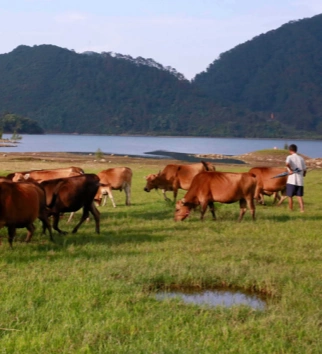
畜産農場
収穫した干し草はカビが生えやすく、保管が難しい。自然乾燥には時間がかかり、大きなリスクも伴う。干し草乾燥機を使用すれば、水分含有量を素早く低減でき、牧場での飼料の長期保存が可能になる。.

草ペレット製造プラント
水分量の多い干し草は、機械の詰まりを引き起こしやすく、ペレットの品質や成形効率を低下させる原因となります。この干し草乾燥機は、水分含有量を約15%という理想的なレベルに制御し、連続生産を可能にします。.
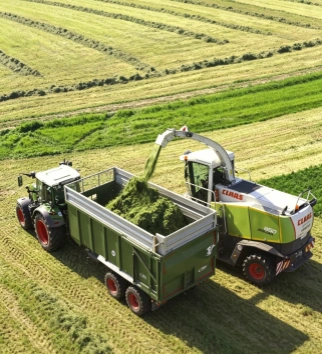
飼料の加工
湿度の高い地域における飼料加工業界にとって、乾燥機は不可欠な機械です。乾燥機は飼料の水分を迅速に除去し、24時間連続生産を支えることで、大規模な飼料加工を可能にします。.

サービスプログラム
お客様一人ひとりに合わせたサービス
干し草乾燥機に関しては、さまざまな専門サービスを提供しております。オンラインおよびオフラインでの販売前・販売後のサポートを組み合わせることで、お客様に最高の生産体験をお届けします。.

迅速な発送
弊社では専用の配送体制を整えております。各乾燥機は工場から直接出荷されるため、輸送時間が大幅に短縮されます。.

設置ガイド
各商品には、専用の取扱説明書と動画チュートリアルが同梱されており、これらを活用することで、機器の操作をすぐに習得することができます。.

無料相談
機器に関する無料相談を受け付けております。目標生産能力や実際の乾燥要件をお知らせいただければ、お客様に合わせたソリューションと見積もりをご提案いたします。.

長期保証
販売中の各干し草乾燥機には1年間の保証が付いており、品質上の問題が発生した場合には迅速かつ効果的な対応をお約束します。.

カスタマイズされたソリューション
特殊な材料やサイズに関するご要望に対しては、最適な生産成果が得られるよう、機器のオーダーメイドカスタマイズをご提供いたします。.

予備部品の供給
当社は、世界規模のスペアパーツ供給ネットワークを構築しています。国内の倉庫ネットワークを活用することで、部品を迅速に配送し、ダウンタイムのリスクを最小限に抑えることが可能です。.
よくある質問
以下は、干し草乾燥機に関するよくある質問への回答です。本機器の用途や選定の目安、ならびに原料の処理基準について解説しています。この乾燥システムについてご不明な点がございましたら、いつでもお気軽にお問い合わせください。.
飼料は乾燥させる前に刻む必要がありますか?
+
これは主に、飼料の初期の状態と乾燥機の種類によって異なります。ドラム式乾燥機の場合、通常、原料の長さは3~10 cm未満であることが求められます。これにより、乾燥結果に影響を及ぼす可能性のある干し草の絡まりを効果的に防ぐことができます。.
ベルト式乾燥機は、一般的に10~30cm程度の長さの生飼料を処理することができます。この乾燥機は、飼料本来の繊維構造を保持します。そのため、ベルト式乾燥機を使用する場合、事前の切断作業は必要ありません。.
干し草乾燥機の運転コストは高いですか?
+
当社の乾燥システムは、高い効率と省エネ性を兼ね備えた装置であり、運転コストを効果的に削減します。本装置のエネルギー消費量は、主に熱源の使用量と稼働時間によって決まります。省エネ要件を満たすため、バイオマスバーナーの使用をお勧めします。このバーナーは、廃木材、わら、飼料などの材料を燃焼させて熱を供給します。これにより、運転コストを大幅に削減することができます。.
さらに、水分含有量の高い干し草を乾燥させるには、通常、より長い稼働時間が必要となり、それに伴い運転コストも増加します。当社の設備では乾燥時間を柔軟に調整できるため、原材料の特性やお客様の具体的なニーズに合わせて生産を容易に最適化することができます。.
この干し草乾燥機は、小規模生産に適していますか?
+
この乾燥機は、生産能力が0.5~30 T/Hの大型産業用機械です。そのため、中小規模の事業から大規模な工業生産に至るまで、あらゆる干し草加工のニーズに対応可能です。 1~2 T/Hという小規模な処理能力については、低コストかつ高効率な乾燥を可能にするコンパクトな乾燥機をご用意しています。.
干し草を乾燥させると、その栄養価は失われてしまうのでしょうか?
+
過度に高い温度は、干し草中のタンパク質構造を損なう恐れがあります。そのため、干し草を原料とする材料を乾燥させる場合は、温度を60~90°C程度に設定することをお勧めします。干し草をそのまま飼料として使用する必要がある場合は、ベルト式乾燥機の使用をお勧めします。これにより、干し草の繊維構造や栄養成分を効果的に保持することができます。(詳細はこちら YouTube)
ロータリードラム式干し草乾燥機とベルト式干し草乾燥機の違いは何ですか?
+
回転ドラム乾燥機は、原料を回転させることで、熱風との十分な接触を確保します。これにより、効率的かつ迅速な乾燥が可能となります。単位当たりの処理能力が高いため、工業規模の干し草加工やペレット製造に適しています。.
ベルト式干し草乾燥機は、熱風循環システムを採用しています。これにより、原料をメッシュベルト上に均一に広げ、ベルトの移動に合わせて穏やかに乾燥させることができます。この装置は、高品質な干し草の乾燥に適しており、栄養成分を最大限に保持することができます。.