Beet Pulp Dryer
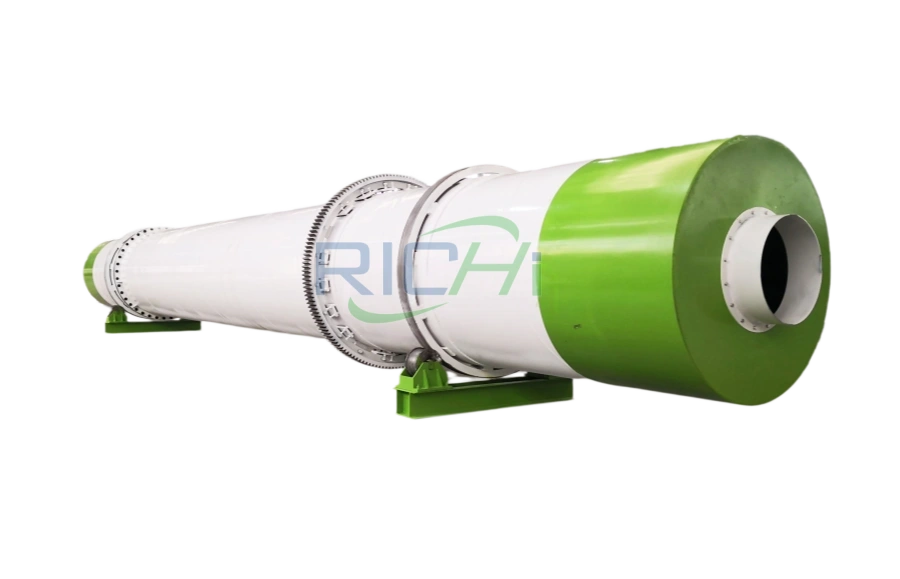
This beet pulp dryer can accommodate different material moisture levels and dry them to the desired moisture content. The beet pulp drying equipment we offer includes drum-type, mesh belt-type, belt-type, and conveyor-type models, among which the drum-type is the most commonly used. In order to meet more customer needs, we can provide customized dryers or complete beet residue drying system.
- Number of Layers: 1–3
- Drum Speed: 3–12 rpm
Beet residue Dryer Operation
The video above shows a test run of the rotary beet pulp dryer and its operation on the production line. It uses a variable-frequency motor to drive the drum, while hot air and built-in paddle plates move the material, achieving rapid and uniform drying. A complete drying system also requires a burner, a hot-air furnace, feed and discharge devices, dust collection equipment, and other components.
Beet Pulp Drying Machine Model Selection
For customer convenience, we have designed this dryer with a variety of parameter configurations. These include both single-layer and three-layer designs. The single-layer design offers a wider range of model options, while the three-layer drum design is more space-efficient. As RICHI’s technology continues to advance, we will introduce even more configuration options in the future. Please feel free to contact us at any time to discuss specific solutions.
| Model | φ0.6*6 | φ0.8*8 | φ1.2*12 | φ1.5*15 | φ1.8*18 | φ1.8*20 | φ1.8*36 | φ1.8*12*3C | φ1.8*24*3C |
| Diameter (m) | 0.6 | 0.8 | 1.2 | 1.5 | 1.8 | 1.8 | 1.8 | 1.8 | 1.8 |
| Length (m) | 6 | 8 | 12 | 15 | 18 | 20 | 36 | 12 | 24 |
| Number of Layers | 1 | 1 | 1 | 1 | 1 | 1 | 1 | 3 | 3 |
| Drum Speed (rpm) | 3~12 | ||||||||
| Inlet Temperature (℃) | 400~500 | ||||||||
| Outlet Temperature (℃) | 70~80 | ||||||||

In addition to the beet pulp dryer mentioned above, we also offer a range of models for mesh belt dryer, belt conveyor dryers, and other equipment. If you require solutions for other types of equipment, please feel free to contact us at any time and provide your production requirements.
Design Advantages of the Sugar Beet Pulp Dryer
This equipment is the most common industrial unit used for drying sugar beet pulp. It employs a high-temperature, rapid drying process. Heat is exchanged back and forth between the multi-layered cylinder walls and the material. The dried material is lightweight and can be easily discharged by hot air. The entire machine is well-sealed and is classified as an energy-efficient and environmentally friendly dryer.
Support Rollers
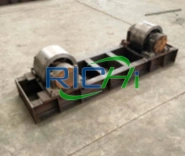
Support Rollers
The dryer operates by using a variable-frequency motor to drive the drum. Therefore, a mounting bracket must be installed. This bracket is made of sturdy cast steel and is highly wear-resistant. It provides stable support, ensuring the dryer operates smoothly.
Roller Ring
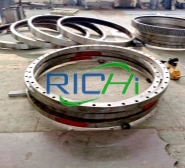
Roller Ring
The roller ring also serves as a support component for the dryer. It is made of cast steel and can be up to 15 mm thick. As a result, it offers higher hardness and wear resistance. Not only does it provide stable support for the rotating drum, but it also extends the equipment’s service life and ensures production safety.
Drying Drum
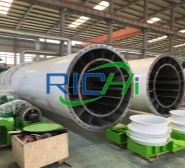
Drying Drum
The drum is the core component of the dryer and is available in single-layer or three-layer configurations. It is controlled by a variable-frequency motor and operates at a speed of 3–12 rpm. You can adjust the speed based on the moisture content of the material. The drum wall is approximately 8 mm thick and is designed to withstand high temperatures and resist wear.
Material-Lifting Plates
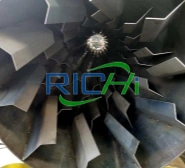
Material-Lifting Plates
These plates are specially designed and arranged in a spiral pattern. Each plate is 6 mm thick. As the drum rotates, these plates ensure thorough contact between the material and the hot air, resulting in more effective drying. They also help reduce material residue.
Fan
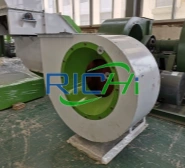
Fan
This unit is installed downstream of the beet pulp dryer system. It assists in lifting the material by providing an airflow, which facilitates drying and discharge. Each fan is equipped with a filter to prevent material and dust from escaping. The fan for the three-layer drum dryer is larger.
Hot Air Furnace
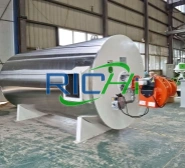
Hot Air Furnace
It is connected to the dryer via ductwork and supplies hot air to the dryer. Its design is simple. Many customers choose to build their own hot-air furnaces to reduce costs. Homemade hot-air furnaces are typically constructed of refractory bricks and rebar. These furnaces can burn wood, fuel oil, natural gas, pellet fuel, and other materials.
What raw materials can it process?
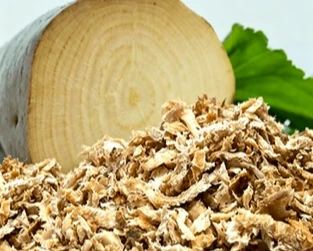
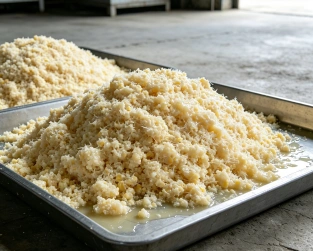
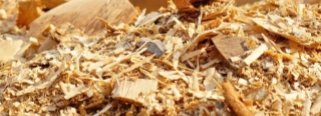
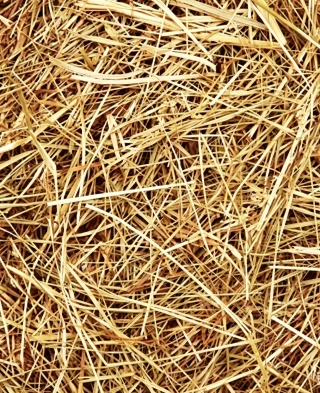
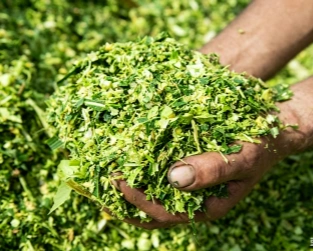
This beet pulp dryer machine can process a variety of materials, including beet pulp, fruit pomace, corn cobs, medicinal waste, forage, and crop straw, among others. Before entering the dryer, beet pulp must undergo preliminary dewatering to reduce its moisture content to approximately 60%–70%. This helps reduce the load on the equipment and ensures better drying results.
Global CASES
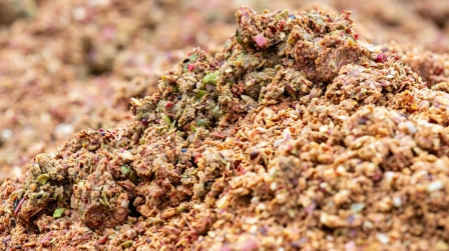
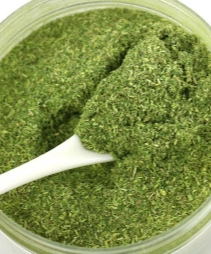
Our beet pulp drying machine delivers reliable performance for agricultural operations, sugar plants, feed plants, and biomass pellet plants worldwide. It offers high performance and adaptability, ensuring consistent output across a wide range of drying applications. Equipment configurations vary depending on the specific project. Please contact us today to receive a customized solution.
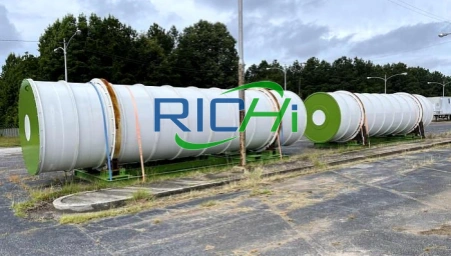

10T/H Sugar Beet Pulp Drying Machine for Sale in USA
This client is a large sugar refinery with a large volume of high-moisture sugar beet pulp and corn fiber materials. We supplied the client with two three-layer drum dryers. These machines dry the materials—which have a moisture content of 70%–80%—to approximately 15% for subsequent feed pelletizing.
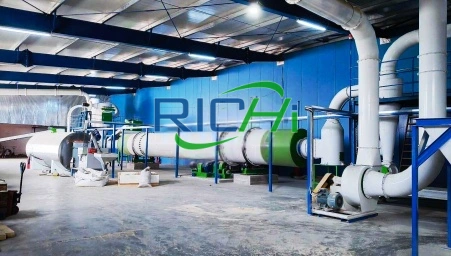

5–6 T/H Sugar Beet Pulp Dryer for Sale in Russia
Our client required a high-capacity dryer for drying sugar beet pulp and alfalfa. The solution also included a sugar beet pulp pellet machine for producing high-quality cattle and sheep feed. This solution enabled the client to achieve resource recovery and delivered a high return on investment.
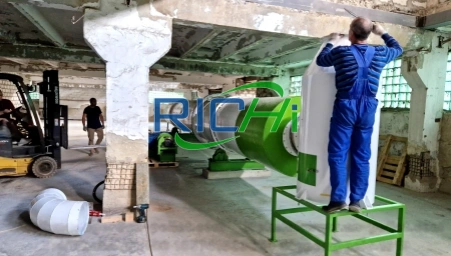

2–3 T/H Sugar Beet Residue Dryer for Sale in Poland
This client is a feed plant that sources its raw materials from nearby sugar refineries, primarily a mixture of sugar beet residue and brewer’s spent grain. We provided the client with a drying system and a pelletizing system. This production line efficiently dries the materials to produce protein-fiber compound feed.
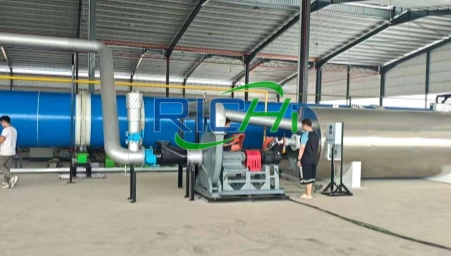

3–4 T/H Beet Pulp Drying Machine for Sale in Turkey
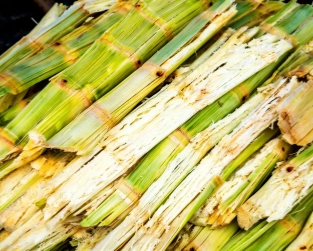
This project uses sugar beet pulp, sugarcane bagasse, and corn cobs as raw materials. The beet pulp dryer system includes a biomass hot-air furnace and a high-efficiency dust collection system. The dried raw materials will be used to produce fuel pellets. For this purpose, the client also selected our straw pellet machine.
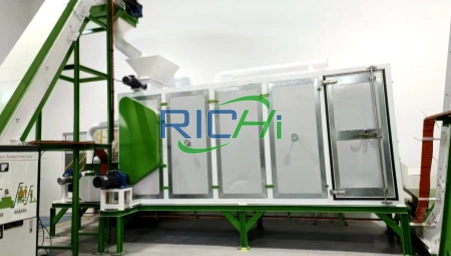

2-3 T/H sugar beet residue dryer for sale in Netherlands
The client’s raw materials include carrot pulp, sugar beet residue, and other vegetable residues. This solution is equipped with a belt type dryer. Its gentle drying method effectively preserves the fiber structure and nutritional content of the materials. This project is used to produce high-fiber cattle feed pellets.
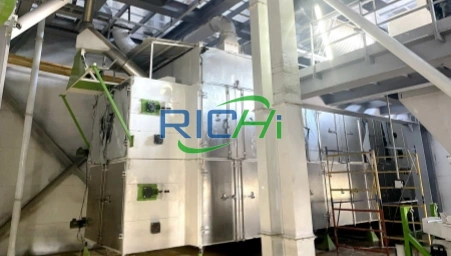

4–5 T/H Sugar Beet Residue Drying Machine for Sale Germany
Our client uses sugar beet residue to produce ruminant feed. Due to the high moisture content of the raw material, the customer selected this mesh belt dryer. The system is also equipped with a grass pellet machine, a pellet cooling machine, and baling equipment for the production of high-dietary-fiber grass feed.
beet pulp dryer Applications
Dryers are key equipment for the recycling of sugar beet pulp. Our rotary beet pulp drying machine and belt type beet pulp dryer are suitable for a variety of applications.

Comprehensive Service
We can provide you with a complete sugar beet pulp drying line, as well as customized solutions. To meet different application needs, these solutions can also be configured with a crushing system, pelletizer, cooler, screening system, baling system, and more.
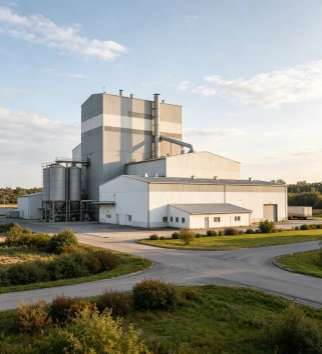
Sugar Plants
Our dryers can be directly used to dry byproducts from sugar mills, facilitating resource recovery and reuse.
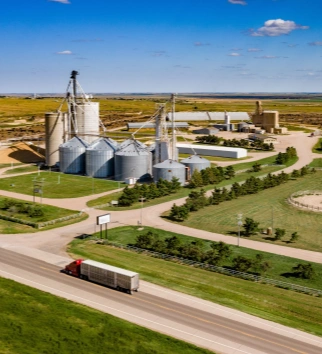
Feed Plants
Belt type beet residue dryers are often chosen for feed production because they offer a gentler drying process.
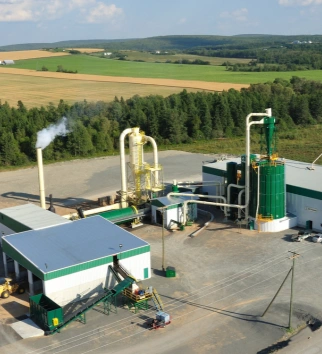
Biomass Pellet Plants
Drum dryers are commonly used in fuel production. They have a larger capacity and provide more efficient drying.

Service Programs
Personalized Services
About the beet pulp dryer, we provide a range of specialized services. Through a combination of pre-sales and after-sales support, both online and offline, we ensure you have the best possible production experience.

Fast Shipping
We have set up a dedicated shipping system. Each dryer is shipped directly from the factory, which significantly reduces transit time.

Installation Guidance
Each shipment includes a specialized user manual and video tutorials, which help you quickly master the equipment.

Free Consultation
We offer free equipment consultation. Tell us your target production capacity and actual drying requirements, for tailored solutions and quotations.

Long-Term Warranty
Each beet pulp drying machine comes with a one-year warranty, ensuring prompt and effective resolution for any quality issues.

Customized Solutions
For specialized materials and sizing needs, we deliver bespoke equipment customization to ensure optimal production outcomes.

Spare Parts Supply
We have established a global spare parts network system. Leveraging a national warehouse system, it enables rapid component delivery to minimize downtime risks.
Frequently Asked Questions
Below are some frequently asked questions about drying beet pulp. They cover processing standards for beet pulp, equipment selection, and solution configurations, among other topics. Additionally, if you have any other questions about this equipment, please feel free to inquire at any time. We will provide the most suitable solution based on your production needs.
What are the benefits of dried beet pulp?
+
Beet pulp is high in dietary fiber and can improve the digestibility of feed for ruminants. In addition, it is widely used to feed beef cattle, dairy cows, horses, and sheep. It is even used in the production of some pet foods to help promote intestinal health in animals.
Fresh beet pulp has a moisture content of over 80%. Not only is it difficult to store due to its high moisture content, but it is also challenging to transport. Drying reduces its moisture content to around 15%–18%, significantly improving its utilization rate and lowering transportation costs.
When fresh beet pulp is pelleted for storage, it reduces the palatability of the feed, making it less suitable for animal consumption. Drying, however, extends the shelf life and reduces the growth of harmful bacteria.
Does raw material need to be dewatered before entering the beet pulp dryer?
+
Yes. Fresh beet pulp has a moisture content of over 80% and is prone to sticking and clumping. To improve drying efficiency and extend the equipment’s service life, we recommend preliminary dewatering of the beet pulp. This also reduces energy consumption and operating costs.
What other raw materials can this beet pulp dryer process?
+
Our dryers are large-scale industrial machines. They can process most feed ingredients and biomass materials. For example, fruit pomace, beet pulp, starch residue, corn bran, cassava pulp, distillers’ grains, soybean meal, crop straw, forage, wood chips, pharmaceutical waste, and other residual materials.
As well as organic fertilizer raw materials. For example, sludge, coal slurry, animal manure, fermented compost, and so on. We can also design customized drying systems based on the characteristics of your raw materials, production scale, application requirements, site conditions, and other factors.
What are the drying standards for beet pulp?
+
The drying standards primarily depend on the intended application. If the dried product is used for feed production, we recommend maintaining a moisture content of approximately 12%–15%. This moisture level facilitates feed pelletization and ensures good palatability. It also extends shelf life and facilitates transportation and storage. (View YouTube)