
Wood Pellet Plant Cost
The wood pellet plant cost is a key consideration when investing in such projects. Standard production capacities range from 0.5 to 40 T/H. We can also customize equipment to meet diverse production scale and capacity requirements. For urgent start-up needs, we offer turnkey wood pellet plant solutions.
Prices for Wood Pellet Plants by Capacity
Generally, higher-capacity wood pellet production solutions come at a higher price. Each capacity option offers different configuration levels: we provide basic, low-specification, standard and high-specification configurations. Consequently, even solutions with the same capacity may vary in price. This is why we cannot provide a fixed price for plant construction solutions.
Design
Wood Pellet Production Line Cost
We offer small-scale wood pellet production solutions with capacities ranging from 0.5 to 1 T/H. These flexible configurations suit small startups and can process and pelletize common wood materials. The investment amount is relatively low, ranging from $30,000 to $80,000.
Design
Small Wood Pellet Plant Cost
This is also a low-cost investment solution, meeting the target production capacity of 1-1.5 T/H. Our reference price for the most basic configuration is $39,000, while the highest configuration option is $200,000. It delivers low costs and high investment returns.
Design
Complete Wood Pellet Line Price
This solution features a more comprehensive process configuration and an enhanced capacity of 3-4 T/H. Accordingly, it offers superior raw material processing capabilities, making it ideal for high-capacity operations. The investment reference ranges from 95,000 to 430,000 USD.
Design
Industrial Wood Pellet Plant Price
Our 5-6 T/H plant construction solution typically features highly automated, industrial-grade production lines. It is ideal for pellet manufacturers who demand high efficiency and premium quality output. The reference investment cost ranges from USD 160,000 to USD 570,000.
Design
Wood Pellet Plant Investment Cost
For high-capacity wood pellet production needs, we also offer a 10-20 T/H pellet plant solution. This solution enables high-intensity pelletizing tasks and delivers more sustained and stable output. The reference investment ranges from $500,000 to $1,600,000 USD.
Design
Biomass Pellet Plant Cost
Standard high-capacity solutions range from 20-24 T/H, and we can even provide plant construction plans for 40 T/H and above. These systems also deliver comprehensive biomass pellet solutions. The investment reference ranges from $570,000 to $3,000,000 and above.
What influence wood pellet plant cost?
There are numerous factors that influence investment costs for wood pellet plants. As well as basic production capacity, these include raw material types and automation levels. Turnkey solutions encompass more project components, such as on-site construction and building the facility. Consequently, the associated investment costs are higher.
√
Raw Material Type
The ideal wood material for pelletizing is sawdust-like particles measuring 3-5 mm, with a moisture content of no more than 18%. Materials that exceed these optimal parameters require additional crushing and drying stages, thereby increasing project costs. Generally, large-scale wood pellet plants incorporate the necessary processing stages to enhance production efficiency.
√
Automation Levels
We offer wood pellet plant solutions at two automation levels: fully automated lines and semi-automated lines. High-automation equipment features dedicated PLC controllers, significantly reducing labor costs and boosting production efficiency. Naturally, the price is higher.
√
Customization Level
We provide customized solutions for various specialized production requirements, including processing equipment for unique raw materials, pelletizers adapted to specific granulation formulations, and customized chemical process configurations. The cost of the solution increases proportionally with the level of customization required.
√
Turnkey Solution
If you wish to commence production quickly, our turnkey solution is the ideal choice. It represents the most effort-saving plant construction approach, encompassing the entire process from granule plant planning to operational production. Compared to other solutions, this project offers superior cost efficiency and a higher return on investment.
Turnkey Project Configuration
This solution provides essential configuration plans tailored to your production requirements. As well as the basic production line project, it offers site construction services, making it the most efficient option in terms of time and labor. Consequently, the turnkey wood pellet plant cost is higher.

Free Consultation
Our dedicated pre-sales team offers round-the-clock complimentary project consultation services.
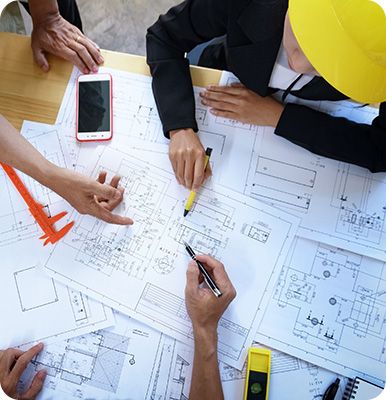
Exclusive Customization
Our experienced engineering team offers bespoke equipment customization and project planning.
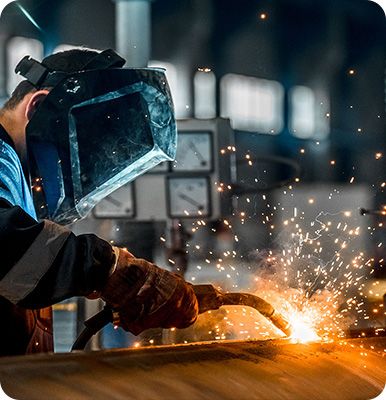
Equipment Manufacturing
While customizing equipment, factory construction proceeds simultaneously, saving you construction time.
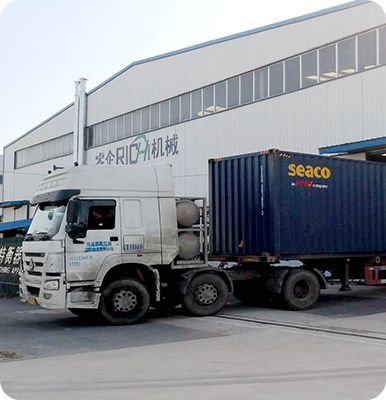
Rapid Shipping
Our global logistics system enables factory-direct shipping, accelerating delivery by 50%.
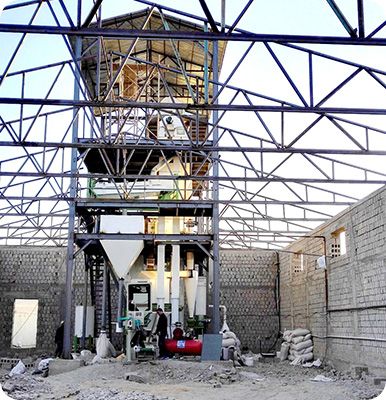
Project Implementation
We provide comprehensive services including equipment installation, commissioning, and operator training.
Trial Operation
Completed production lines undergo rigorous multi-round operational testing to ensure optimal performance.
Factors Affecting Return on Investment
There are numerous factors that affect the return on investment for pellet plants. Beyond the wood pellet plant cost, subsequent operational performance is crucial. Only with sufficient raw material supply, stable sales channels, and proper equipment maintenance can the investment return be maximized.
- Raw Material Supply: Before considering investment, you must evaluate the stability and sufficiency of production material supply. This is the foundation of long-term production. If your raw materials meet the requirements for producing pellets, it will significantly reduce investment costs.
- Sales Channels: For pellet plants, stable sales channels maximize investment returns. Typically, industrial-grade wood pellet plants can recoup costs within 1–2 years. Small-scale production solutions can achieve payback and profitability within 3 years.
- Production Costs: These are divided into three aspects: raw material costs, labor costs, and energy consumption costs. Our equipment is designed for energy efficiency, reducing energy consumption by 20%. When budget permits, we recommend opting for solutions with high automation levels. This significantly reduces labor costs.
- Production Losses: These encompass raw material waste, pellet loss, and equipment wear. The first two aspects can also be addressed through highly automated equipment. Our wood pellet machine and cooling/baler systems minimize waste while boosting production capacity by 15%. Additionally, regular, effective equipment maintenance substantially reduces wear and extends service life.
Frequently Asked Questions
Regarding inquiries about wood pellet plant cost, we have compiled relevant answers. The following aspects can assist you in selecting a suitable production solution. For a more precise quotation, please provide us with your detailed information and production requirements.
+
What equipment is required for a small-scale wood pellet plant?
Wood pellet production utilizes various processed wood, waste wood, and logs as raw materials. Therefore, to operate profitably, a wood pellet plant requires efficient raw material processing equipment. Examples include wood chipper, wood chip hammer mill, dryers, pelletizers, and cooling/packaging equipment. This type of plant offers lower costs, can process diverse wood types, and produces high-quality pellets.
+
How much does a fully automated wood pellet plant cost?
Fully automated wood pellet lines are typically industrial-grade solutions, with correspondingly higher prices. For example, a basic 4-5 T/H configuration costs around $250,000 USD, while a fully automated line can reach approximately $450,000 USD.
This solution includes complete process segment configuration and an integrated control system, enabling fully automated feeding and packaging. It relies less on manual labor. Long-term, it offers superior cost-effectiveness.
+
How much factory space is needed to build a wood pellet plant?
This depends on your target production capacity. Generally, small-scale 1-4 T/H pellet plants require less space, approximately 200–400 square meters. For medium-capacity 4-8 T/H pellet plants, the required area is about 600–1200 square meters. If you plan to build a large-scale integrated pellet plant, a minimum of 3000 square meters of factory space should be reserved.
The above figures represent standard footprint requirements. For pellet plants anticipating future expansion or upgrades, additional space should be appropriately reserved.