
Biomass Pellet Project Cost
Regarding the biomass pellet project cost, it encompasses not only the complete production line equipment, but also other project expenses and production costs. For example, production site construction, raw material supply, labor costs, energy consumption, and so on. This solution offers a high return on investment. Under normal circumstances, it can quickly deliver favourable economic returns.
What factors influence biomass pellet project cost?
As a complete production line project, there are numerous factors that influence its implementation. Specifically, these encompass two major aspects: project construction and subsequent operations. We will address each of these in detail below. Should you require a specific investment amount, please feel free to contact us with your detailed information.
√
Equipment Costs
This represents a critical component of the biomass pellet production project cost. It is influenced by the target production capacity, process configuration and automation level. Generally, a complete biomass pellet production line with a capacity ranging from 0.5 to 20 T/H has a reference price of between USD 28,000 and USD 2,100,000.
√
Civil Engineering
For production line projects, we provide equipment installation and commissioning services. However, solutions involving project construction will incur additional costs. If you have a suitable existing facility available for use, this will significantly reduce these costs.
√
Raw Material Costs
The cost of different biomass material varies depending on the local area. Agricultural residues such as straw and rice husks are typically inexpensive to obtain. However, woody materials and forage crops tend to be more expensive. This is a critical factor affecting the long-term operational viability of your project.
√
Labor Costs
For conventionally automated small-scale production lines (0.5-2 T/H), it takes 3-4 operators. Medium-capacity lines (3-5 T/H) require 5-6 personnel. Large-scale operations (6-10 T/H) typically need 7-8 workers. However, high levels of automation will significantly reduce these staffing requirements.
√
Maintenance Costs
Our equipment boasts sophisticated structural design and robust, wear-resistant components. Consequently, they significantly reduce your long-term maintenance expenses. Routine maintenance tasks include cleaning residual materials promptly, applying lubricating grease, conducting periodic inspections of equipment wear, and replacing severely worn parts.
Biomass pellet production projects with different capacities
The most direct factor affecting the biomass pellet project cost is production capacity. Production lines with different capacities require different equipment models and are suited for different application scenarios. We will now provide a detailed explanation of this aspect.
Standard Production Line
For small-scale production lines with capacities of 0.5-2 T/H, the base configuration reference price ranges from 28,000 USD to 56,000 USD. These systems require minimal site preparation and automation, resulting in the lowest initial investment. This solution is ideal for small-scale biomass pellet production, such as farms, furniture factories or similar operations looking to process surplus raw materials.
If your target production capacity is 3–5 T/H, this production system requires medium-capacity equipment. The reference price ranges from USD 95,000 to USD 160,000. This solution is typically used for the commercial production of pellet products, where high automation levels are advantageous for reducing long-term operating costs. It offers greater adaptability and sustained output capability.
The large-scale 8-10 T/H production line solution offers the highest return on investment, but is also the most expensive option. The reference price ranges from $190,000 to $280,000. This solution offers superior production capacity, automation levels and operational stability. It is ideal for large-scale biomass pellet plants, biomass pellet exporters and major feed mills.
Turnkey Solution
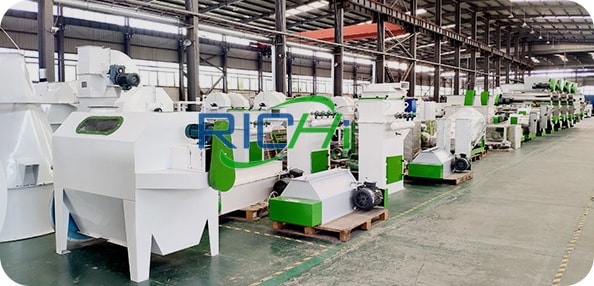
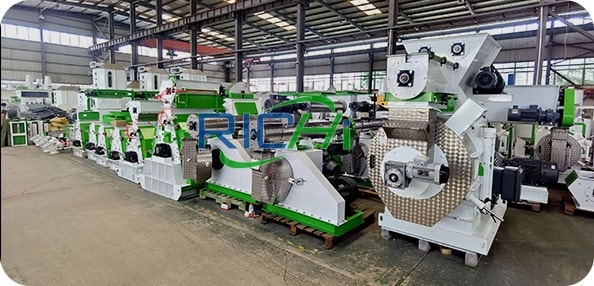
If you want to start production and generate revenue quickly, we recommend this turnkey solution. It is ideal for biomass pellet plants, feed mills and similar facilities. The solution includes project planning, customized equipment, on-site construction, equipment installation, operational training and trial runs. It also includes long-term after-sales support and technical assistance.
Biomass Pellet Projects for Different Raw Materials
We offer a range of biomass pellet production solutions, which are suitable for processing and pelletizing various types of raw material. The actual moisture content and pulverization degree of raw materials will influence project configuration, thereby affecting the final biomass pellet project cost.
Design
Biomass Pellet Plant project
This project involves pelletizing biomass material, such as wood and agricultural residues. The resulting pellets could be fuel, bedding or organic fertilizer. The reference price range for production capacities of 0.5–20 T/H is USD 28,000–210,000.
Design
Sawdust Pellet Plant
It can be used for pelletizing wood materials such as wood chips, sawdust, and shavings, typically requiring a crushing section. This project is suitable for producing high-quality fuel pellets, with a reference price comparable to biomass pellet plants.
Design
Grass pellet plant
This solution is suitable for processing high-fiber forage and straw, while also enabling pelletizing with grains. The resulting pellets are typically used as feed or fuel. For feed production ranging from 0.3 to 20 T/H, the price range is $37,000 to $620,000.
Design
Rice Husk pellet plant
This project is designed to produce high-quality fuel from various agricultural crop shells, such as rice husks, peanut shells, EFB, coffee husks. The equipment delivers superior performance when processing high-fiber and high-ash materials.
Design
Complete pellet Line
If the moisture content of material exceeds 18%, it will affect the formation of pellets, requiring the addition of a dryer. For raw materials larger than 3–5 mm, a crushing stage must be incorporated. These ensure efficient and high-quality pellet production.
Design
Flexible pellet Line
For raw materials with moisture content between 15% and 18%, no dryer is required. If your materials are rice husks or sawdust, this will reduce costs in the crushing stage. However, additional screening device is needed to ensure pellet quality.
Factors Affecting Return on Investment
Although the projects can provide high investment returns, the actual payback period depends on subsequent operational performance. This includes factors such as raw material supply, stable sales channels, and proper equipment maintenance.
- Raw Material Supply: A sufficient and stable supply of raw materials is fundamental to biomass pellet production. Therefore, before considering investment, you must evaluate not only biomass pellet project cost, but also the stability of the material supply, to avoid operational disruption.
- Sales Channels: Establishing clear and stable sales channels is essential for achieving profitability. Consistent sales demand maximizes the project’s value, delivering stable, sustainable returns on investment. Our industrial-grade projects boast high utilization rates and can produce various pellet products.
- Avoid Downtime: Strict adherence to the equipment maintenance manual can effectively prevent downtime. This requires dedicated maintenance personnel to perform regular tasks. Our user-friendly equipment is easy to maintain and has an extended service life, significantly reducing your long-term maintenance costs.
- Regular Maintenance: Basic maintenance includes cleaning promptly, lubricating critical components, regularly inspecting and replacing wear parts, such as ring dies and roller shells. For pelletizers with a capacity of 3.0 T/h or above, we provide a ring die lifting device to facilitate maintenance.
- Spare Parts Replacement: We have established a global spare parts network to ensure the rapid delivery of wear parts. This service is available for all pellet machines, helping to prevent downtime losses.
How to Quickly Establish a Biomass Pellet Plant?
We can provide flexible production solutions to help you reduce your biomass pellet project cost. This comprehensive plan covers every stage, from project planning to operational launch. It also includes thorough pre-sales consultation and long-term after-sales support. The specific pricing will be determined based on the required scale and service scope.

Free Consultation
Our dedicated pre-sales team offers round-the-clock complimentary project consultation services.
Exclusive Customization
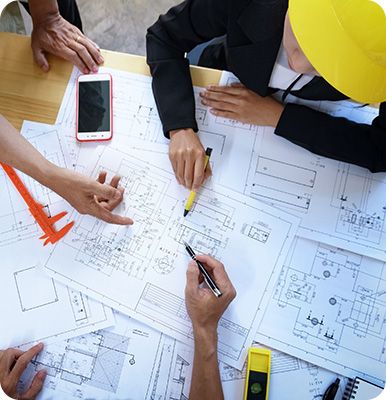
Our experienced engineering team offers bespoke equipment customization and project planning.
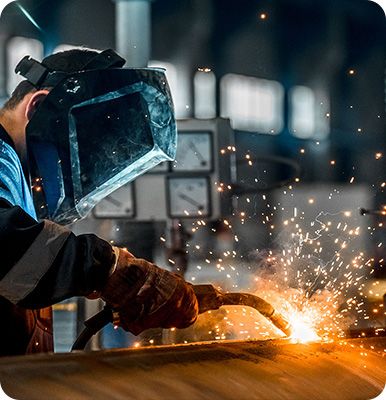
Equipment Manufacturing
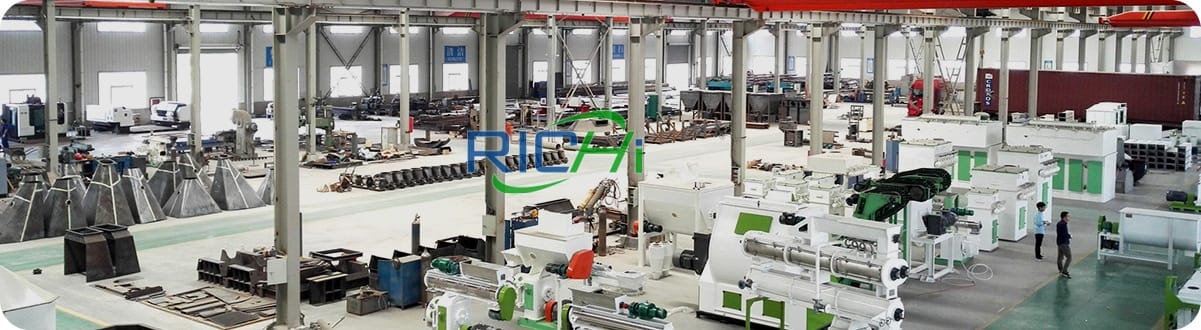
We operate an independent large-scale factory capable of manufacturing equipment for diverse pellet needs.
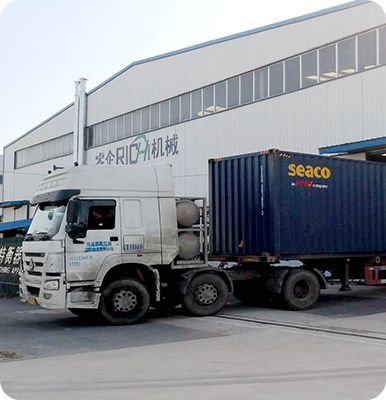
Rapid Shipping
Our global logistics system enables factory-direct shipping, accelerating delivery by 50%.
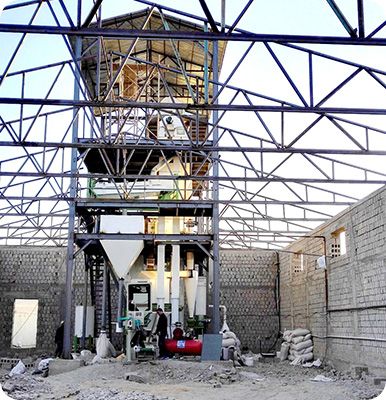
Project Implementation
We provide comprehensive services including equipment installation, commissioning, and operator training.
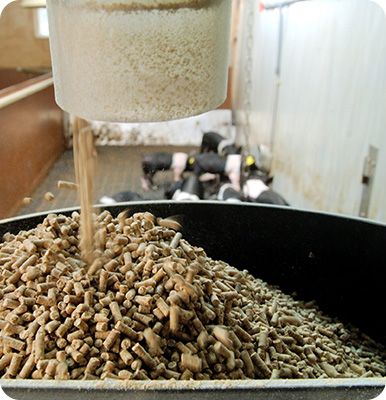
Trial Operation
Completed production lines undergo rigorous multi-round operational testing to ensure optimal performance.
Frequently Asked Questions
Regarding biomass pellet project cost, we’ve compiled common concerns and provided detailed answers. If you would like an accurate quote, please contact us promptly with information about your target production capacity, the primary raw materials, and the specific application scenario.
+
How does raw material affect biomass pellet project cost?
The cost is primarily influenced by three factors relating to the raw materials: pelletization difficulty, moisture content and grinding degree. Generally, high-fiber straw and high-ash rice husks present greater pelletization challenges than wood. They require higher-specification pellet mills. Grass pellet machines require conditioning units, which also increase costs.
If your raw material has a moisture content exceeding 18% or size larger than 3–5 mm, additional crushing and drying stages are required. We provide suitable pellet machines based on the specific pelletization requirements. These include sawdust pellet machine, wood chip pellet machine, alfalfa pellet machine, rice straw pellet machine, rice husk pellet machine, and more.
+
What is the payback period for a biomass pellet plant project?
This depends on your specific project configuration, production costs, and sales performance. Under normal operating conditions, small-scale pellet plants typically achieve payback within 1-3 years, while large-scale plants can recoup their investment within 1-2 years.
This difference primarily stems from larger plants having higher production capacity, lower labor costs, and more stable sales channels. Although high-capacity projects require greater initial investment, they also deliver superior returns.
+
Are there any hidden costs associated with the biomass pellet plant project?
The cost of setting up a biomass pellet plant is transparent, with no hidden charges. However, it is important to consider the cumulative costs that may arise during construction and operation. These include equipment maintenance, labor, raw materials and energy consumption costs.
Through innovative technological upgrades, our full line of equipment offers low-energy consumption advantages. They can reduce energy consumption by 20% while increasing unit production capacity by 15%, helping you to lower your operational costs.