
Biomass Pellet Machine Price
The biomass pellet machine price depends on your target production capacity, production scale, and specific raw material conditions. These factors are the primary determinants of the price. Below, we provide a detailed analysis based on these circumstances. We offer a range of pellet machines and welcome you to provide us with specific details at any time.
Types of Biomass Pellet Machine
The model is a crucial factor in determining a biomass pellet machine price. We design and manufacture pelletizers capable of processing various biomass materials to meet your pellet production needs. These machines have different production capacities, power ratings and configurations. Below are reference prices.
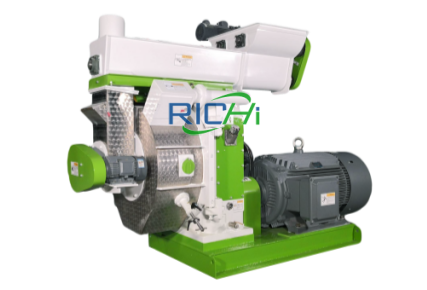
biomass wood pellet machine price
Our pelletizer can process various wood, including sawdust, wood chips, shavings, logs, branches and scrap wood. These pellets can be up to 4–5 times longer than their diameter, resulting in enhanced hardness and durability. Production capacity ranges from 0.6 to 8 T/H. Pricing for a single pelletizer unit ranges from $15,100 to $80,500.
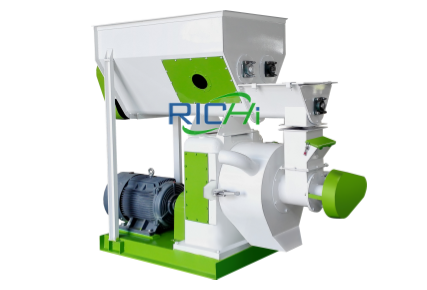
biomass husk pellet machine price
This efficient pelletizer processes a variety of agricultural crop husks and hard fruit shells, including rice husks, peanut shells, EFB and sunflower seed shells. The resulting pellets meet higher market demands and can be used as fuel, bedding material or animal feed. Its production capacity and reference price are comparable to wood pelletizers.
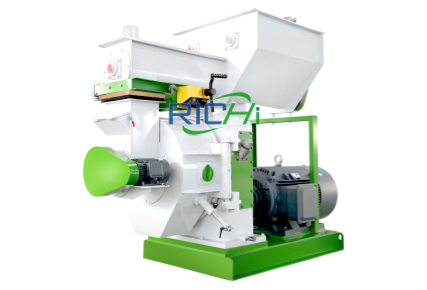
straw pellet machine price
This straw pellet mill is also versatile, capable of processing various straw materials such as rice straw, wheat straw, corn stalk and sugarcane bagasse. With the addition of a conditioner, it can produce high-quality feed pellets. This single-unit pelletizer has a production capacity of 0.5–8 T/H and is priced from $19,480 to $87,500.
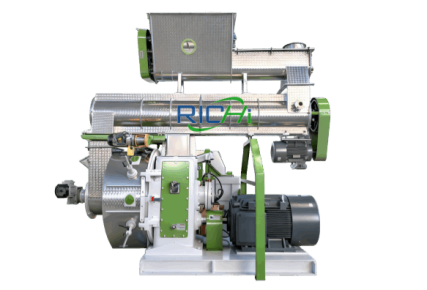
grass pellet machine price
The grass pelletizer is suitable for pelletizing various types of grass or mixed raw materials. The resulting pellets can serve as high-energy fuel or nutrient-rich animal feed. A single grass pelletizer has a production capacity ranging from 0.5 to 8 T/H. Based on different capacities, the reference price ranges from $19,480 to $87,500.
Because RICHI’s technology is constantly being updated and iterated, we will continuously upgrade and innovate our equipment. Therefore, the specific equipment parameters are subject to the actual quotation. We will provide more professional customized design and production services for each customer.
What factors influence a biomass pellet machine price?
We understand your concerns about the cost of pellet machine. Below, we will clearly explain these factors and their corresponding price ranges. If you require a more precise quote, please feel free to contact us with specific details regarding the following aspects.
√
Raw Material Type
Each pelletizer has been specially optimized and upgraded to handle different raw materials. Models designed for processing wood chips and husks cost between $15,100 and $80,500. Those designed for lightweight, high-fiber materials such as straw and grass range from $19,480 to $87,500.
√
Production Capacity
Pelletizers vary in price based on capacity. Small-to-medium capacity pelletizers (0.5–3 T/H) feature main motors ranging from 22 kW to 132 kW, with prices ranging from approximately $15,100 to $51,560. Large-capacity pelletizers (4–8 T/H) utilize main motors ranging from 185 kW to 250 kW, with reference prices of $67,100 to $87,500.
√
Configuration
We offer pellet mills in a variety of configurations, tailored to your target product. For example, feed pellet mills require a conditioner, with reference prices ranging from $19,480 to $87,500. If you need to produce pellets of different diameters, it will also require the corresponding number of ring dies.
√
Production Scale
There is a significant difference between a single pelletizer and the pelletizing section of a production line. Consequently, there is a noticeable price difference. We have designed an integrated control system for production line segments. To facilitate smooth production, auxiliary equipment such as storage hoppers and conveyors must also be installed.
√
Automation Level
Highly automated pelletizing systems command a higher price than basic configurations. Fully automated solutions are better suited to large-scale biomass pellet manufacturers. Although the initial investment is higher, these systems significantly reduce labor costs, ensure efficient production and deliver a faster return on investment.
Complete Biomass Pellet Production Line Solutions
As well as competitive pelletizer, we also provide complete biomass pellet production line solutions. Unlike single biomass pellet machine price, these solutions are more expensive. However, they features more comprehensive process configurations, delivering a complete production service.
For wood pellet, straw pellet, grass pellet, husk pellet, and other biomass products, we can provide corresponding production line solutions. The specific price will depend on your production capacity and process configuration.
Among these, pellet lines for feed production require more extensive and stringent production configurations, resulting in higher costs. Our turnkey solutions include comprehensive project services, offering the highest price point but the best value for money.
Standard Production Line
The standard production line includes the following main stages: crushing, drying, mixing, pelletizing, cooling, screening and packaging. Small-to-medium capacity lines (0.3–3.0 T/H) are priced between approximately $28,000 and $350,000. High-capacity lines (4.0–20 T/H) cost between $80,000 and $620,000, while the exact price is determined by the specific configuration.
Turnkey Solution
Our turnkey solution is designed for large-scale pellet production, such as biomass pellet plants and feed mills. It encompasses project planning, customized equipment design, on-site construction, equipment installation and commissioning, operator training and trial runs. The quoted price represents the total project cost upon completion, incorporating various influencing factors. We require detailed information from you to calculate the final price.
Hidden Costs of Biomass Pellet Machines
Before purchasing equipment, in addition to understanding the biomass pellet machine price, you also need to be aware of the hidden costs that will arise during subsequent use. For example, equipment maintenance, energy consumption, labor costs, and so on.
- Equipment Maintenance Costs: This is key to extending the service life of pelletizers, specifically including daily cleaning, lubricant application, regular wear inspections, and replacement of worn components. For pelletizers with a capacity of 2.8 T/H or above, a ring die lifting device is included as a complimentary accessory.
- Labor Costs : If your purchased pelletizer has a lower automation level, this will increase labor costs. For example, pelletizers on highly automated production lines can achieve automatic feeding, maintaining stable operation for longer periods. Lower automation levels may require manual feeding and inspection of pellet quality.
- Raw Material Processing Costs: If you have purchased a single pelletizer, you must ensure raw materials meet basic pelletizing requirements. For example, excessively high or low moisture content can hinder pellet formation. Inadequately crushed materials may cause wear to the equipment and reduce pellet quality. Installing raw material processing equipment can minimize production losses.
- Moisture Content: The ideal moisture content of raw materials is between 15% and 18%. If your material is excessively moist, use additional dryers or blend with drier materials to achieve equilibrium.
- Crush Size: The ideal raw material size is powdered material within the 3–5 mm range. Use specialized crushers for grinding to ensure stable and efficient production.
How to Quickly Establish a Biomass Pellet Plant?
As well as offering competitive biomass pellet machine price, we provide a high-return biomass pellet plant solution. This comprehensive plan covers every stage, from project planning to operational launch. It also includes thorough pre-sales consultation and long-term after-sales support. The specific pricing will be determined based on the required scale and service scope.

Free Consultation
Our dedicated pre-sales team offers round-the-clock complimentary project consultation services.
Exclusive Customization
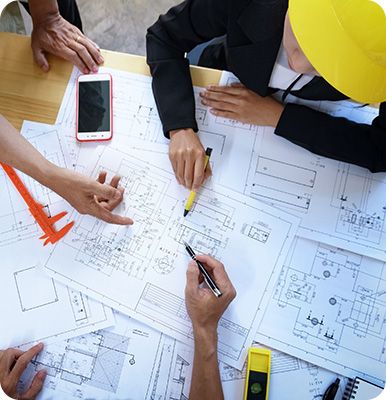
Our experienced engineering team offers bespoke equipment customization and project planning.
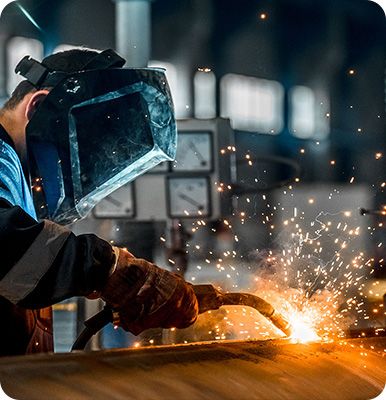
Equipment Manufacturing
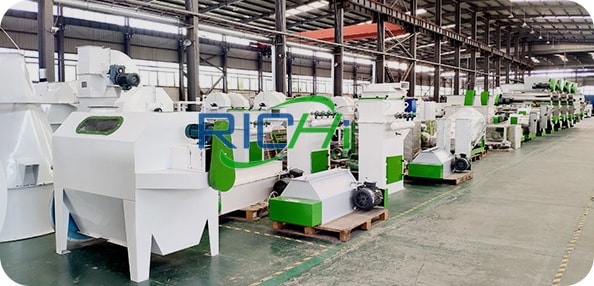
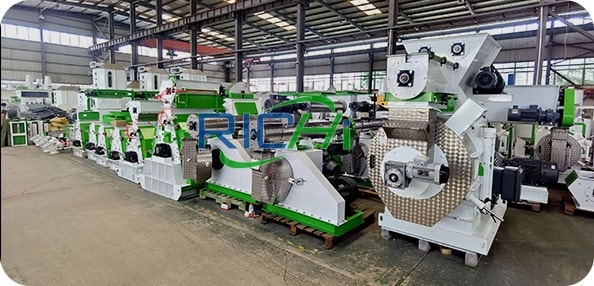
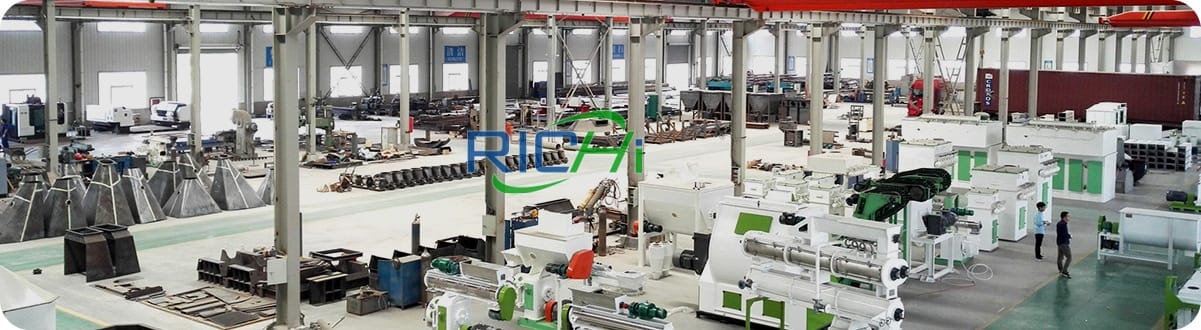
We operate an independent large-scale factory capable of manufacturing equipment for diverse pellet needs.
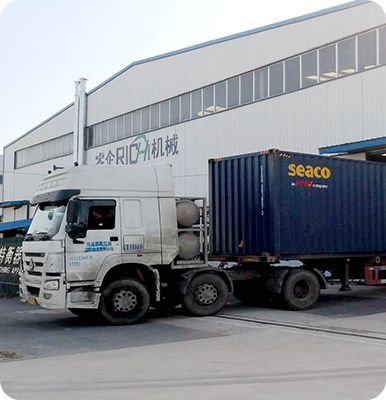
Rapid Shipping
Our global logistics system enables factory-direct shipping, accelerating delivery by 50%.
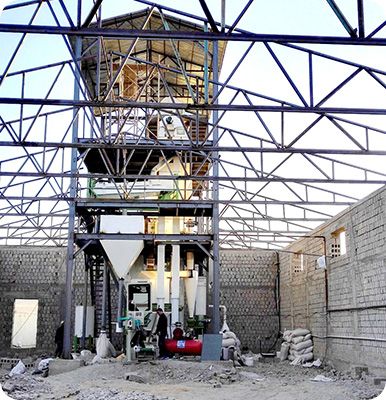
Project Implementation
We provide comprehensive services including equipment installation, commissioning, and operator training.
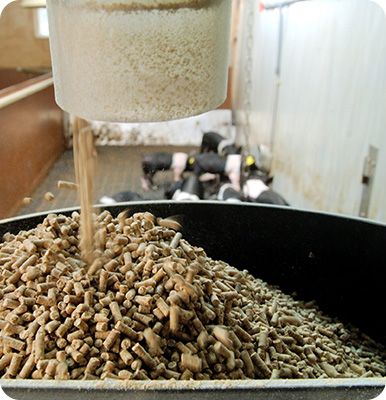
Trial Operation
Completed production lines undergo rigorous multi-round operational testing to ensure optimal performance.
Frequently Asked Questions
Regarding biomass pellet machine price, we’ve compiled common concerns and provided detailed answers. If you would like an accurate quote, please contact us promptly with information about your target production capacity, the primary raw materials, and the specific application scenario.
+
Is the price of a biomass pellet mill significantly affected by raw materials?
Yes, absolutely. The cost of biomass pellet mills differs depending on the material, primarily due to variations in pelletizing difficulty. For wood-based materials like sawdust, which exhibit high formation rates and lower processing challenges, the price tends to be more affordable.
However, if your material consists of high-fiber materials such as straw or rice husks with high silica content, which place greater demands on die hardness and transmission systems, the pellet mill will be more expensive.
If you require pellet mills for these materials, we can provide cost-effective solutions. These include sawdust pellet mill, wood chip pellet machine, rice straw pellet mill, rice husk pellet machine, corn stalk pellet machine, and more.
+
Is a small-capacity biomass pelletizer more cost-effective than a large-capacity one?
Initially, investing in a smaller pelletizer model incurs lower upfront costs. However, it is only suitable for small-scale production. In the long term, large-capacity pelletizers incur lower maintenance and labor costs.
Of course, the choice of pelletizer model must be based on actual production scale. Before investing in equipment, you need to conduct a comprehensive assessment including annual output, raw material supply stability, sales channels, labor costs and more. Only then can you choose the most suitable pelletizer.
+
Does the biomass pellet machine price include the ring die?
Yes, it certainly does. Our biomass pelletizers are sold directly from the factory with transparent pricing. The price of a single pelletizer includes all necessary parts, including the press rollers, ring die and motor. They are fully equipped for production.
If you require pellets of multiple diameters, different ring die apertures will need to be configured. In this case, the final price will increase accordingly. Rest assured that all pricing is genuine and transparent with no hidden costs.
+
How to choose a suitable biomass pellet machine that fits your budget?
We recommend considering several key factors, including primary production materials, target output capacity, and scale. First, select based on your raw materials. The pellet machine types we offer include EFB pellet machine, peanut shell pellet machine, alfalfa pellet machine, hay pellet machine, bamboo pellet machine, and more. Once you have determined the type, you can choose the appropriate model based on capacity.